
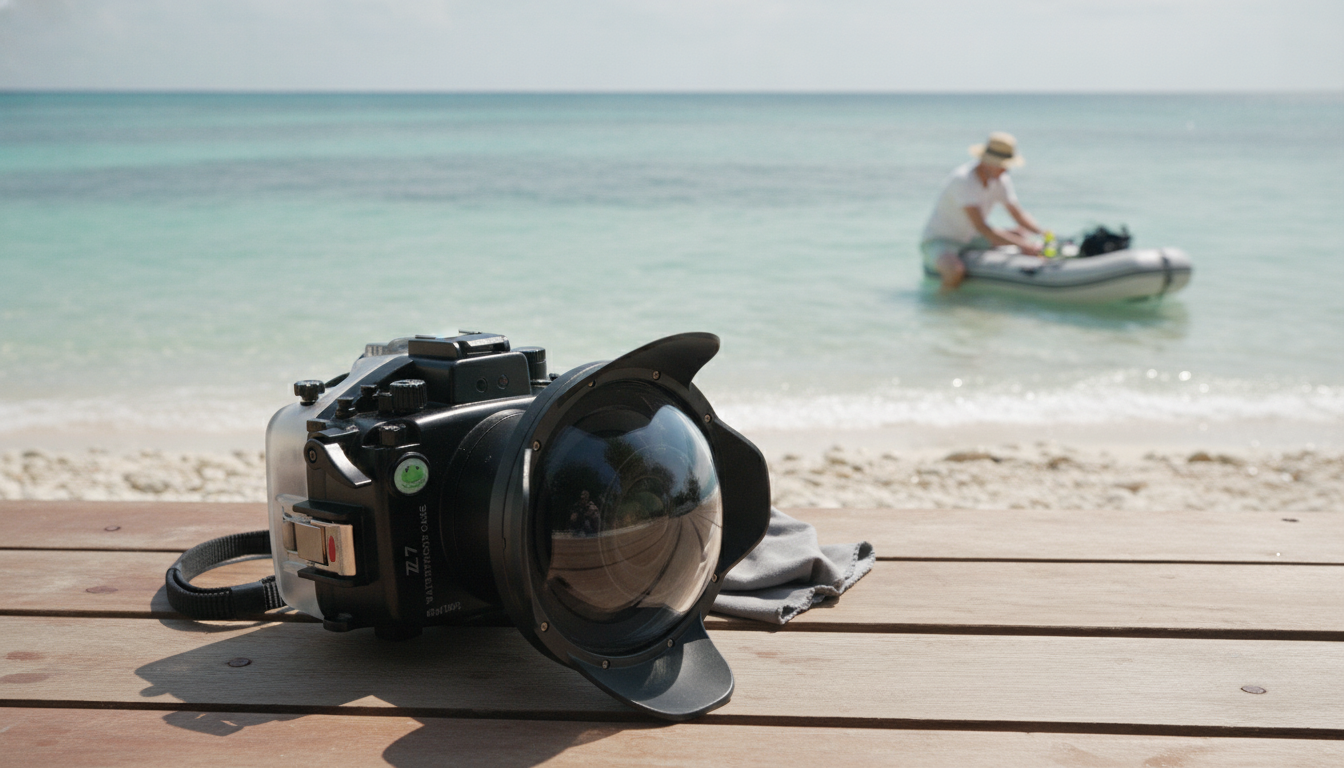
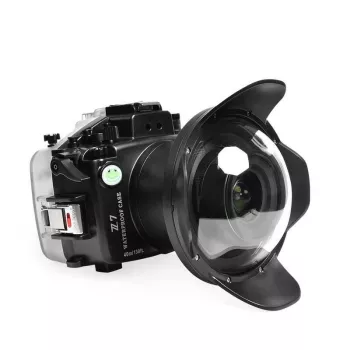
A dedicated underwater housing can turn a Nikon Z7 into a capable tool for reef scenes, wreck details, and pool training shots while keeping the camera protected from water pressure and impact. This guide breaks down practical expectations for the Seafros waterproof case for the Nikon Z7, how to set it up, what to check before every dive, and how to care for it between trips.
If the goal is consistent control access and reliable sealing at depth, a purpose-built housing like the Seafros Waterproof Case For Nikon Z7 Underwater is designed to provide a more stable, repeatable workflow than improvised solutions.
Even the best housings reward a disciplined routine. Water sealing depends on clean O-rings, correct closure, and careful pre-dive checks—tiny debris can be enough to cause seepage. Also remember that pressure increases with depth; NOAA’s overview of ocean pressure is a helpful refresher for why consistent housing checks matter as you go deeper (NOAA Ocean Service).
Underwater handling also feels different: the rig is larger, buoyancy changes, and controls can feel stiffer than on land. Finally, image quality underwater is often limited by water conditions rather than camera settings—lighting and distance usually matter more than small tweaks.
| Topic | Practical takeaway |
|---|---|
| Sealing | A spotless O-ring and groove are more important than overtightening latches. |
| Controls | Expect slightly firmer button feel; practice on land with gloves if used. |
| Buoyancy | Plan for trim (weights/floats) to reduce wrist strain and camera shake. |
| Optics | Get closer to subjects and use lighting to reduce haze and color loss. |
Before committing a camera body, it also helps to review the Nikon Z7’s body layout and control placement so you know what you’ll want immediate access to underwater (Nikon reference: Nikon USA).
Most housing issues are preventable with a repeatable setup routine. Plan to assemble slowly, in a clean area, and give yourself enough time to redo the seal if something looks off.
| Check | What to look for |
|---|---|
| O-ring | Clean, continuous, no twists, no grit in the channel. |
| Port | Fully seated, no cross-threading, glass/acrylic clean. |
| Controls | Buttons return freely; dials turn without binding. |
| Closure | Latches fully locked; no gaps along the seam. |
| Straps/handles | Secure attachment; no loose screws or pins. |
For topside workflow between dives—reviewing shots, checking focus, or following a shot list—some shooters like a simple desk stand back at the room or on a stable table. The 360° Rotating Wooden Phone Stand for iPhone can be a handy way to keep a phone upright while you reference notes or sync a quick edit.
The Seafros Waterproof Case For Nikon Z7 Underwater is built for underwater use with the Nikon Z7, aiming to pair physical protection with access to shooting controls. It performs best with a consistent routine: careful seal prep, controlled pre-dive testing, and thorough post-dive rinsing. For many setups, adding a tray/handles and lighting improves stability and color more than changing camera settings.
| Detail | Value |
|---|---|
| Product | Seafros Waterproof Case For Nikon Z7 Underwater |
| Price | 1370.99 USD |
| Availability | In stock |
| Where to find it | Product page link above |
It’s not recommended. Even brief exposure can damage the camera, and soft solutions typically limit control access and don’t provide reliable pressure sealing; a purpose-built hard housing is the safer option for depth and repeated use.
Assemble the housing in a cool, dry place, add desiccant packs if compatible, and avoid opening it in humid air. Keeping the housing out of direct sun before the dive also helps reduce temperature swings that trigger condensation.
Inspect and clean the main O-ring and groove, confirm the port is fully seated, and make sure latches are fully locked with no seam gaps. Verify controls move freely, then do a quick shallow leak check in a rinse tank before heading to open water.







Leave a comment